
What Is Indoor Digital Advertising?
Indoor digital advertising refers to the use of electronic display technologies—such as LCD screens, LED displays, and interactive panels—to deliver advertising and informational content within indoor environments. These environments typically include shopping malls, airports, hotels, hospitals, office buildings, supermarkets, restaurants, and educational institutions. Unlike traditional static advertising, indoor digital advertising allows content to be updated instantly, displayed dynamically, and tailored to specific audiences or time periods.
1. Core Concept of Indoor Digital Advertising
At its core, indoor digital advertising is designed to capture attention and communicate messages effectively in high-traffic indoor locations. By combining visual motion, sound, and vivid colors, digital displays are far more eye-catching than printed posters or banners. This makes them especially effective in environments where audiences may be waiting, walking, or browsing.
Indoor digital advertising systems typically operate through centralized software platforms, allowing operators to manage multiple screens from a single location. This enables real-time updates, consistent messaging, and precise control over what content is shown, when, and where. As a result, businesses can deliver timely promotions, announcements, and branding messages with minimal effort.
2. Advantages of Indoor Digital Advertising
Indoor digital advertising offers several significant advantages over traditional indoor advertising methods:
High Visual Impact: Moving images and videos naturally attract more attention than static media, increasing message recall.
Flexible Content Updates: Advertisers can change promotions, prices, or announcements instantly without reprinting materials.
Targeted Communication: Content can be customized based on location, time of day, audience behavior, or specific events.
Improved Space Utilization: A single screen can display multiple messages in rotation, maximizing the value of limited indoor space.
These advantages make indoor digital advertising particularly attractive for businesses seeking both efficiency and effectiveness in their marketing strategies.
3. Technologies Used in Indoor Digital Advertising
Indoor digital advertising relies on a combination of hardware and software technologies working together seamlessly:
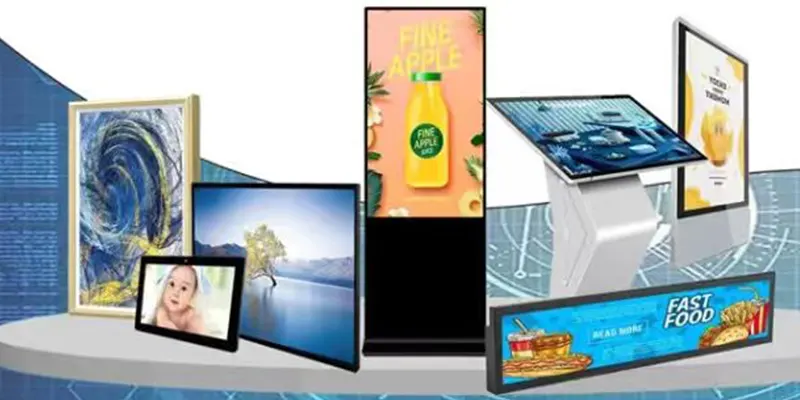
Display Hardware: LCD and LED screens are the most commonly used, offering high resolution, brightness, and long operational lifespans.
Media Players: These devices control what content is played on each screen and ensure smooth performance.
Content Management Systems (CMS): A CMS enables users to upload, schedule, and manage content remotely, often across multiple locations.
Interactive Technologies: Touchscreens, QR codes, and motion sensors allow users to interact directly with displayed content, increasing engagement.
Together, these technologies ensure that indoor digital advertising systems are reliable, scalable, and adaptable to various use cases.
4. Best Practices for Effective Indoor Digital Advertising
To maximize the effectiveness of indoor digital advertising, businesses should follow several best practices. First, content should be concise and visually appealing, as indoor audiences often have limited attention spans. Clear messaging, large fonts, and high-quality visuals are essential.
Second, screen placement plays a critical role. Displays should be positioned at eye level and in areas with high foot traffic, such as entrances, elevators, waiting areas, or checkout zones. Finally, consistent branding and regular content updates help maintain audience interest and reinforce brand recognition over time.
5. Common Application Scenarios
Indoor digital advertising is widely used across many industries:
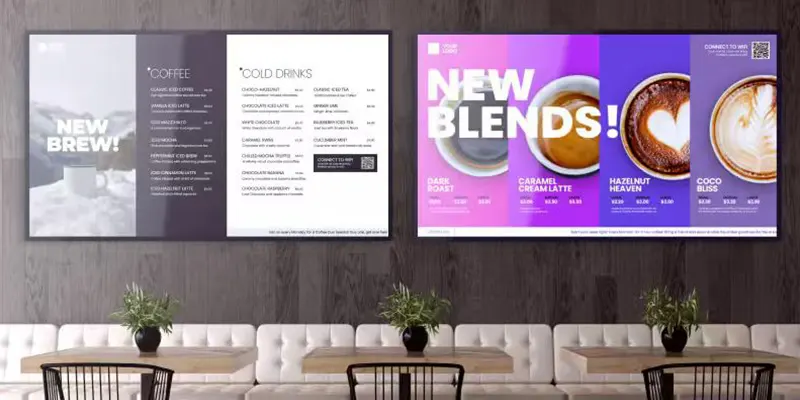
Retail Stores: Promote new products, discounts, and seasonal campaigns to influence purchasing decisions.
Transportation Hubs: Display advertisements, wayfinding information, and real-time updates for travelers.
Corporate and Commercial Buildings: Share company news, welcome messages, and branded content in lobbies and meeting areas.
Healthcare and Education: Provide informational content, announcements, and public service messages in waiting areas.
These applications demonstrate the versatility and practicality of indoor digital advertising across different sectors.
6. Summary and Call to Action
In summary, indoor digital advertising is a modern, efficient, and highly engaging way to communicate with audiences in indoor environments. By combining advanced display technologies with flexible content management, businesses can deliver impactful messages that enhance brand visibility and customer experience.
If you are looking for a reliable indoor digital advertising solution or want to learn more about how this technology can benefit your business, please feel free to contact us at any time. Our team is always ready to provide professional advice and customized solutions.
FAQ
Q1: What types of content are suitable for indoor digital advertising?
A: Videos, images, animations, promotional messages, real-time information, and interactive content are all suitable for indoor digital advertising.
Q2: Is indoor digital advertising difficult to manage?
A: No. With modern content management systems, screens can be managed remotely, making updates simple and efficient.
Q3: How long do indoor digital advertising screens typically last?
A: High-quality LCD or LED screens usually have a lifespan of 30,000 to 50,000 hours, depending on usage and environment.