
LCD Advertising Screen: Types, Prices, and How to Choose
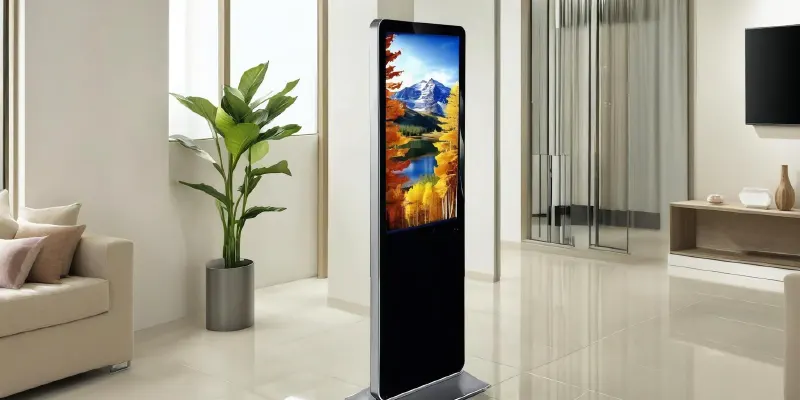
Indoor LCD advertising screens are the most common type of commercial digital display. These are typically installed inside retail stores, restaurants, corporate buildings, shopping centers, banks, hospitals, and schools. Since they are protected from weather conditions, indoor displays focus more on image quality, design, and customer interaction rather than extreme durability.

Understanding LCD Advertising Screens
What Is an LCD Advertising Screen?
An LCD advertising screen is a commercial digital display used to show advertisements, promotions, menus, and informational content. These screens are commonly installed in retail stores, shopping malls, restaurants, airports, and hotels to attract customer attention with dynamic visuals and videos.
Unlike traditional printed posters, LCD displays allow businesses to update content instantly through digital software. This flexibility helps companies respond quickly to promotions, seasonal campaigns, or customer needs without printing new materials.
How LCD Advertising Screens Work
LCD advertising screens use liquid crystal display technology combined with media players and content management software. Businesses can upload videos, images, or animations remotely and schedule content based on time, location, or audience.
Many modern systems also support cloud-based management, allowing companies to control multiple screens from one platform. This makes digital signage more efficient and easier to maintain compared to traditional advertising methods.
Benefits of LCD Advertising Displays
One major advantage of LCD advertising screens is stronger customer engagement. Moving visuals naturally attract more attention than static signs, helping businesses increase brand visibility and promotional effectiveness.
These screens also reduce long-term printing costs. Instead of constantly replacing paper posters, businesses can update advertisements digitally, saving both time and operational expenses.
Common Industries Using LCD Screens
Retail stores use LCD displays for product promotions and seasonal campaigns, while restaurants often install digital menu boards to improve ordering experiences. Hotels and airports use them for information sharing and navigation assistance.
Corporate offices and healthcare facilities also benefit from digital signage by improving internal communication, announcements, and customer guidance throughout large buildings.
Main Types of LCD Advertising Screens
Indoor LCD Advertising Screens
Indoor LCD displays are designed for shopping malls, restaurants, offices, and retail environments. These screens focus on delivering high-quality visuals and are usually available in sizes ranging from 32 to 86 inches.
Most indoor displays have moderate brightness levels because they operate in controlled lighting conditions. They are ideal for advertising products, displaying menus, or sharing company announcements.
Outdoor LCD Advertising Displays
Outdoor LCD advertising screens are built to withstand rain, sunlight, dust, and changing temperatures. These displays use high-brightness panels so content remains visible even under direct sunlight.
Businesses often use outdoor screens for storefront advertising, transportation hubs, stadiums, and drive-thru systems. Their durability and visibility make them highly effective for public advertising.
Touchscreen LCD Kiosks
Touchscreen kiosks allow customers to interact directly with the display. They are commonly used in self-service restaurants, airports, banks, and shopping centers for navigation, ordering, or product searches.
Interactive features improve customer experience while reducing staff workload. Many touchscreen systems also support QR codes, payment systems, and multilingual interfaces.
LCD Video Wall Systems
Video walls combine multiple LCD panels into one large display to create immersive advertising experiences. These systems are often installed in shopping malls, luxury retail stores, and corporate lobbies.
Video walls are highly effective for grabbing attention because of their large size and cinematic visual impact. Businesses use them to create premium branding and large-scale promotional campaigns.
LCD Advertising Screen Prices
Entry-Level LCD Display Pricing
Basic commercial LCD advertising screens usually cost between $300 and $800 depending on size and resolution. These displays are suitable for small businesses such as cafés, salons, and local retail stores.
Entry-level systems often include simple media playback and basic content scheduling features. They provide an affordable starting point for businesses entering digital signage.
Mid-Range Commercial Display Costs
Mid-range LCD displays typically range from $1,500 to $5,000 and offer higher brightness, better durability, and advanced software support. These systems are popular among restaurants, gyms, and retail chains.
Businesses choosing mid-range displays often prioritize reliability and remote management features, especially when operating multiple screens across different locations.
Outdoor and Enterprise Display Pricing
Outdoor LCD screens and enterprise systems are significantly more expensive because they require weatherproof protection, stronger cooling systems, and ultra-high brightness technology.
Large outdoor displays, touchscreen kiosks, and video wall systems can cost over $10,000 depending on installation complexity and customization requirements.
Hidden Costs to Consider
Many buyers focus only on screen pricing while ignoring additional expenses. Installation, mounting hardware, media players, and software subscriptions can increase the total investment significantly.
Businesses should also budget for content creation, maintenance, and future upgrades to ensure long-term performance and smooth operation.
How to Choose the Right LCD Advertising Screen
Choose Based on Business Environment
The location of the screen plays a major role in choosing the right display. Indoor environments usually require lower brightness, while outdoor installations need weatherproof and high-brightness screens.
Businesses should also consider viewing distance and customer traffic patterns to determine the ideal screen size and placement.
Compare Commercial Displays and TVs
Many businesses compare commercial LCD displays with standard consumer televisions. While TVs are cheaper, they are not designed for continuous operation or heavy commercial use.
Commercial displays offer better durability, longer operating hours, stronger cooling systems, and remote management capabilities, making them a smarter long-term investment.
Consider Resolution and Brightness
High-resolution displays such as 4K screens deliver sharper images and more professional advertising quality. Brightness is equally important because poor visibility can reduce advertising effectiveness.
For indoor use, moderate brightness levels are usually enough, while outdoor displays require much stronger brightness to remain visible in sunlight.
Focus on Software and Maintenance
Reliable content management software makes it easy to schedule promotions and update content remotely. Businesses managing multiple locations especially benefit from cloud-based systems.
Regular maintenance is also important for long-term performance. Choosing trusted manufacturers and professional installation services helps reduce future technical problems.
Conclusion
LCD advertising screens have become an essential tool for modern businesses looking to improve customer engagement and brand visibility. From indoor promotional displays to outdoor digital signage and interactive kiosks, these screens provide flexible and dynamic advertising solutions for many industries. Businesses can quickly update content, reduce printing costs, and create more professional customer experiences through digital displays.
Choosing the right LCD advertising screen depends on several factors, including installation environment, screen brightness, resolution, budget, and software compatibility. Commercial-grade displays are generally more reliable than standard TVs because they are designed for continuous operation and long-term use. By selecting the right system, businesses can improve advertising performance while building a stronger and more modern brand image.
FAQ
1. What is an LCD advertising screen used for?
LCD advertising screens are used to display advertisements, promotional videos, menus, announcements, and customer information in commercial environments such as retail stores, restaurants, airports, and hotels.
2. How much does an LCD advertising screen cost?
Basic indoor commercial displays usually start from around $300, while advanced outdoor displays, touchscreen kiosks, and video wall systems can cost over $10,000 depending on features and installation requirements.
3. Can LCD advertising screens be used outdoors?
Yes. Outdoor LCD advertising displays are specially designed with waterproof protection, high brightness, and durable cooling systems to handle sunlight, rain, and changing weather conditions.
4. What is the difference between a commercial LCD display and a regular TV?
Commercial LCD displays support longer operating hours, higher brightness, stronger durability, and remote content management features, making them more suitable for business environments.
5. Which industries commonly use LCD advertising screens?
Retail, hospitality, healthcare, transportation, education, restaurants, and corporate offices are among the industries that widely use LCD advertising screens for marketing and communication purposes.