
What Are the Latest Trends in Signage?
Signage display has changed dramatically in recent years. What once consisted mainly of printed posters and simple billboards has now evolved into digital signage display, interactive, and data-driven communication systems. Businesses today rely on modern signage to attract attention, guide customers, promote products, and deliver real-time information. As technology continues to advance, signage display is becoming smarter, more engaging, and easier to manage across multiple locations.
The Rise of Digital and Smart Signage
Transition from Static Signage to Digital Displays
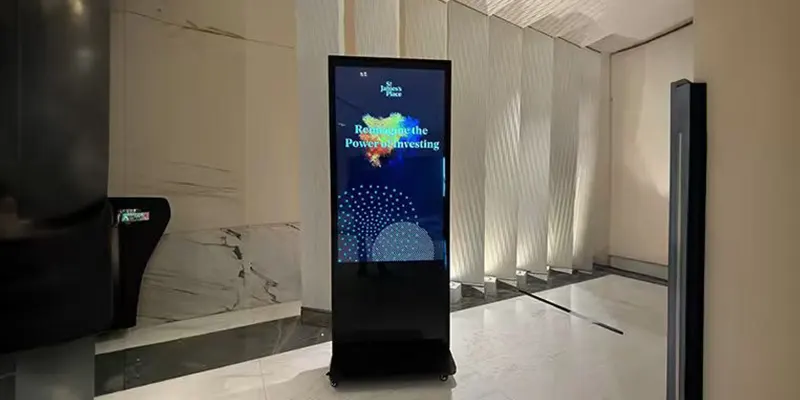
The shift from traditional printed signage to signage displays is one of the most important developments in the signage industry. Static signs require manual replacement whenever information changes, which can be both expensive and time-consuming. Digital signage eliminates this limitation by allowing businesses to update content instantly through software systems.
Digital displays also provide greater visual impact. Businesses can show videos, animations, and rotating advertisements that naturally attract attention. A single screen can promote multiple products throughout the day, making signage more flexible and efficient.
Expansion of Digital Out-of-Home Advertising
Digital Out-of-Home (DOOH) advertising is becoming increasingly popular in public spaces such as shopping malls, airports, train stations, and busy city streets. Large digital billboards and screens allow advertisers to display multiple campaigns on a single display, maximizing the value of advertising locations.
Another advantage of DOOH advertising is the ability to adjust messages based on time or context. For example, restaurants may promote breakfast items in the morning and dinner specials in the evening. This flexibility helps businesses deliver more relevant advertisements to their audiences.
Data-Driven Signage and Audience Insights
Modern signage display systems are increasingly supported by data analytics tools that help businesses understand how audiences interact with signage displays. Sensors and software can estimate factors such as viewer count, dwell time, and engagement levels.
These insights allow companies to optimize their signage display strategies. Businesses can identify which advertisements perform best and schedule them during peak hours, ensuring that their content reaches the largest possible audience.
Interactive and Immersive Signage Experiences
Touchscreen Displays and Self-Service Kiosks
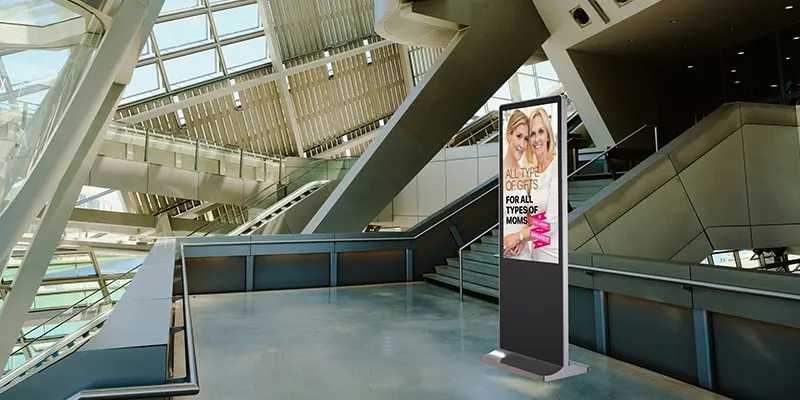
Interactive signage has become common in industries such as retail, hospitality, and transportation. Touchscreen displays allow customers to browse information, search for products, or place orders directly through the screen. This type of technology improves efficiency while creating a more engaging user experience.
Self-service kiosks are particularly popular in restaurants and fast-food chains. Customers can place orders, customize meals, and make payments through the kiosk, reducing waiting times and improving overall service speed.
Augmented Reality and 3D Signage Display
Augmented reality (AR) and 3D signage display technologies are bringing immersive experiences to modern signage. These technologies allow digital content to interact with the real environment, creating visually striking displays that attract attention.
For example, AR signage can allow customers to visualize products in real-world settings, while 3D displays create depth effects that make advertisements appear more dynamic. These innovations help brands create memorable experiences that stand out from traditional advertising.
Mobile Integration and QR Code Interaction
Mobile integration is another important trend in modern signage display. Many displays now include QR codes or wireless connections that allow customers to interact with signage using their smartphones.
By scanning a QR code, users can quickly access product details, promotional offers, or online stores. This connection between physical signage and digital platforms helps businesses guide customers from viewing an advertisement to completing a purchase.
Smart Technology and the Future of Signage
Cloud-Based Signage Management
Cloud technology has simplified the way businesses manage signage display networks. Instead of updating each screen individually, companies can control multiple displays through a centralized cloud platform.
This approach allows administrators to upload new content, schedule advertisements, and monitor displays remotely. Businesses with multiple locations can maintain consistent branding while still customizing content for different regions.
Advanced Display Technologies
Display technology continues to improve, offering brighter screens and higher resolutions. Many modern signage systems use 4K displays and high-brightness LED panels, which deliver clear visuals even in bright outdoor environments.
Manufacturers are also developing innovative signage display types such as transparent screens and flexible panels. These new formats allow signage to blend into architectural designs and create more visually impressive installations.
Sustainable and Energy-Efficient Signage
Sustainability is becoming a major focus in the signage display industry. Modern LED displays are far more energy-efficient than older technologies, helping businesses reduce electricity consumption while maintaining high performance.
Many digital signage systems also include automatic brightness adjustments that respond to surrounding light conditions. This feature helps save energy while ensuring the display remains visible and effective.
Industry Applications of Modern Signage
Retail and Shopping Centers
Retail stores are among the largest users of modern signage display. Digital signage displays are used to promote products, highlight discounts, and guide customers through stores.
Interactive screens also allow shoppers to browse product catalogs or locate items within the store. These features enhance the shopping experience and encourage customers to spend more time exploring products.
Transportation and Public Spaces
Airports, train stations, and bus terminals rely heavily on digital signage display to deliver real-time information. Displays show schedules, directions, and important announcements to help passengers navigate complex transportation systems.
These systems improve communication efficiency and ensure travelers receive accurate information quickly.
Corporate and Educational Environments
Modern signage display is also widely used in offices and educational institutions. Companies use digital displays to share announcements, meeting schedules, and internal communications.
In schools and universities, digital signage helps display event information, campus news, and important updates. This ensures that students and staff remain informed in real time.
Conclusion
The signage display industry is rapidly evolving as digital technologies reshape how businesses communicate with their audiences. Digital displays, interactive systems, and cloud-based management tools are transforming signage from simple information boards into powerful marketing platforms.
Innovations such as data analytics, augmented reality, and mobile integration are making signage more engaging and personalized. At the same time, advancements in display technology and energy efficiency are improving both performance and sustainability.
Businesses that embrace these trends can create more dynamic environments, capture audience attention more effectively, and deliver messages that resonate with modern consumers.
FAQ
1. What is digital signage display?
Digital signage refers to electronic displays that show multimedia content such as advertisements, announcements, and information in public or commercial spaces.
2. Why is digital signage more effective than traditional signage?
Digital signage can display videos, animations, and rotating messages, making it more engaging and easier to update than printed signs.
3. Where is modern signage commonly used?
Modern signage is widely used in retail stores, restaurants, airports, hospitals, hotels, transportation hubs, and corporate environments.
4. How does interactive signage benefit businesses?
Interactive signage allows customers to browse products, place orders, or access information directly through touchscreen displays, improving both engagement and convenience.
5. What technologies will shape the future of signage?
The future of signage will likely include artificial intelligence, augmented reality, advanced display technologies, and deeper integration with mobile devices and cloud systems.