
What are the Uses of LCD Video Wall Displays?
LCD video wall displays are powerful visual communication tools used across many industries. Their ability to present large-scale, high-resolution content makes them ideal for spaces where information needs to be seen clearly, quickly, and by many people at once.
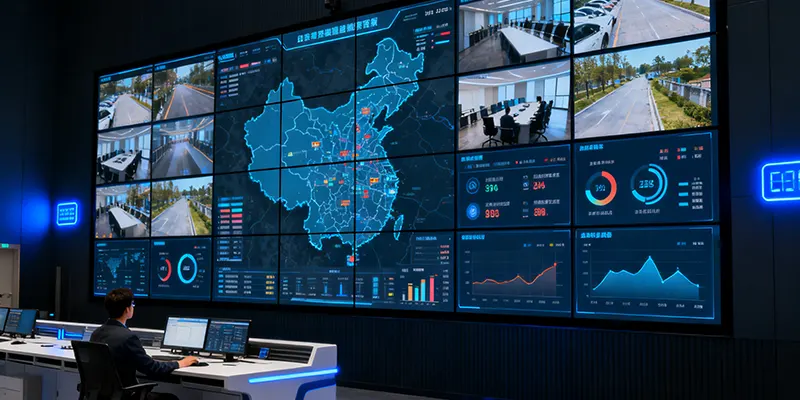
Retail and Commercial Environments
Attracting Customer Attention
LCD video walls use bright, dynamic visuals to stand out in busy commercial spaces. Moving images and videos naturally draw the eye, helping businesses capture attention more effectively than static signage.
Increasing Brand Visibility
Large-format displays allow brands to showcase their identity, promotions, and storytelling in a bold and memorable way. This strengthens brand recognition and leaves a lasting impression on customers.
Improving Customer Navigation
In large commercial areas such as malls or shopping centers, LCD video walls can function as digital directories and wayfinding tools. This helps visitors find stores, services, and facilities more easily, improving overall customer flow and satisfaction.

Advertising and Digital Signage
Indoor Advertising Applications
LCD video walls are powerful tools for indoor advertising due to their brightness and flexibility. Content can be updated instantly, allowing businesses to run targeted and time-based campaigns.
They are commonly installed in high-traffic areas such as malls, airports, and commercial buildings, where they deliver high-impact visual messages that increase brand awareness and audience retention.
Corporate and Business Environments
Corporate Offices and Lobbies
In corporate offices, LCD video walls are often installed in lobbies to display company branding, announcements, and achievements. They create a professional first impression for visitors and clients.
Meeting Rooms and Boardrooms
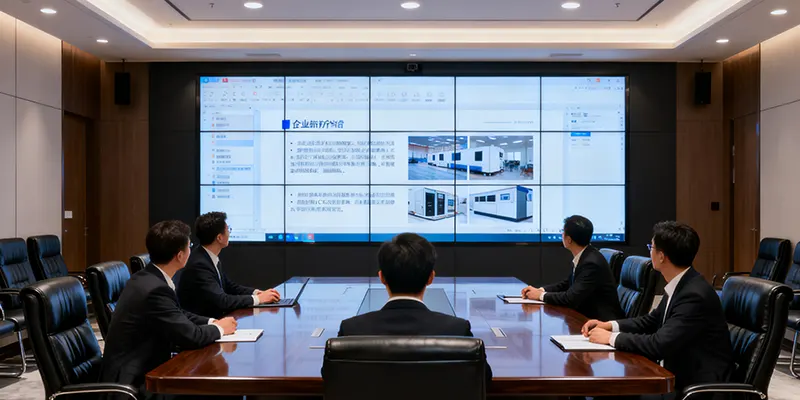
In meeting and conference rooms, video walls support presentations, video conferencing, and collaborative discussions. Large displays allow teams to view charts, dashboards, and reports clearly, improving communication and decision-making.
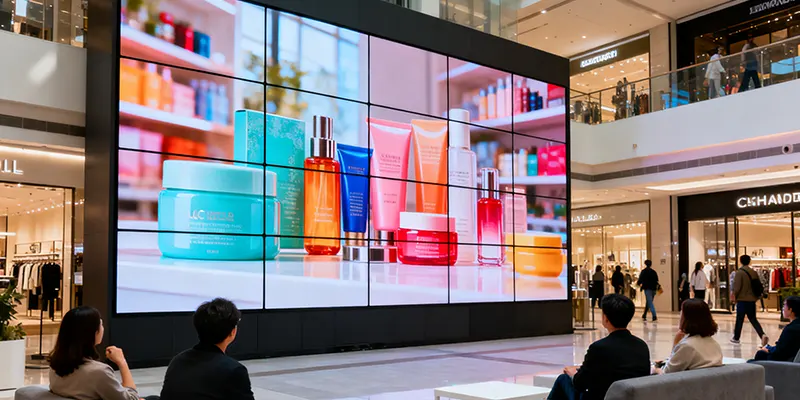
Control and Monitoring Centers
Security and Surveillance Control Rooms
LCD video walls are critical in security and surveillance operations because they allow operators to monitor multiple video feeds simultaneously. Instead of switching between several small monitors, a video wall provides a single, centralized display for all cameras.
Real-Time Monitoring: Security personnel can detect incidents as they happen and respond immediately, reducing potential risks.
Integrated Data Display: Video walls can combine live camera footage with alerts, logs, and other security data, helping operators make informed decisions quickly.
Enhanced Collaboration: Large displays allow multiple team members to view the same information simultaneously, improving coordination in emergency situations.
Traffic, Utility, and Emergency Centers
Traffic control centers, power plants, and emergency operation rooms use video walls to monitor system status, data feeds, and alerts. This centralized view helps teams respond quickly and efficiently to incidents.
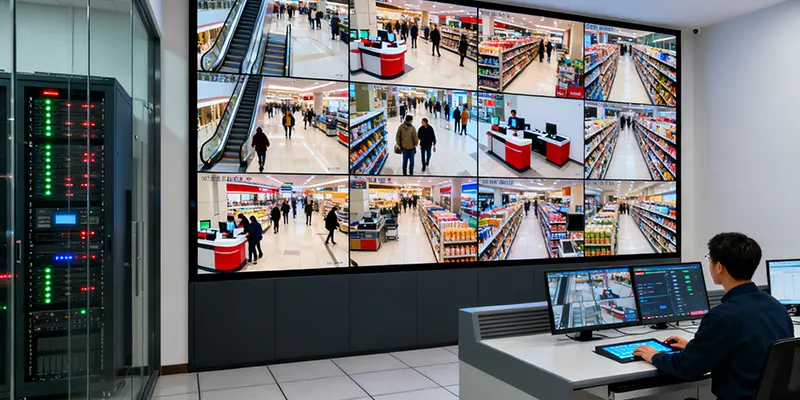
Transportation and Travel Facilities
Airports, Train Stations, and Bus Terminals
LCD video walls are widely used in transportation hubs to display schedules, boarding information, directions, and emergency announcements. Large screens ensure visibility even in crowded and noisy environments.
They also serve as advertising platforms, generating additional revenue while keeping travelers informed.
Conclusion
LCD video wall displays are versatile visual solutions used across retail, corporate, transportation, healthcare, education, entertainment, and public sectors. With their ability to deliver large-scale, high-quality, and dynamic content, they have become an essential tool for modern communication, engagement, and information sharing.
RFQs
1. What type of LCD video wall is suitable for retail and shopping mall environments?
A 3×3 or 4×4 narrow bezel LCD video wall with 55-inch or 65-inch panels and 4K resolution is recommended. It should support bright visuals, dynamic content, and digital wayfinding to attract customers and improve in-store engagement.
2. What are the requirements for a corporate conference room video wall?
A 2×2 or 3×3 LCD video wall with Full HD or 4K resolution, narrow bezel, and a video wall processor for presentations and video conferencing. The system should allow seamless integration with PCs, laptops, and conferencing software.
3. What type of LCD video wall is needed for a security or surveillance control room?
A 4×4 or larger narrow bezel LCD video wall with 4K resolution, capable of integrating multiple live camera feeds. The system must support real-time monitoring and display multiple inputs simultaneously.