
What Is a Payment Kiosk
As businesses continue to embrace automation and digital transformation, Payment Kiosks are becoming a familiar sight in retail stores, restaurants, hospitals, transportation hubs, and government service centers. These self-service machines are changing how customers complete transactions, offering a faster, more convenient, and more efficient payment experience.
But what exactly is a payment kiosk, and why are so many industries investing in this technology?
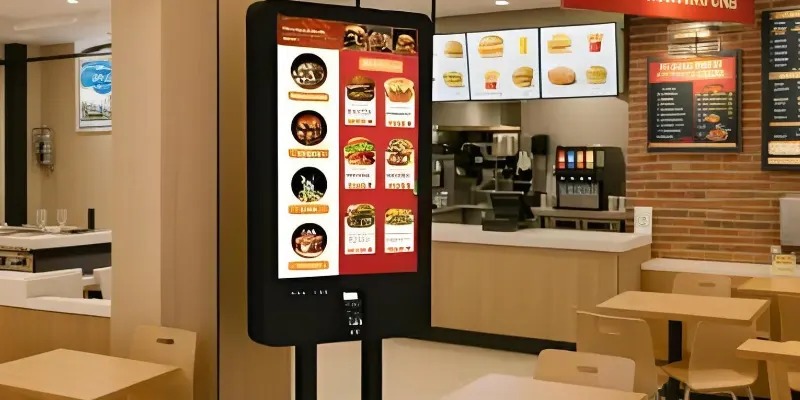
A payment kiosk is a self-service terminal that allows customers to complete transactions without assistance from staff. These kiosks are equipped with payment processing systems and often include touchscreen displays, card readers, barcode scanners, receipt printers, and sometimes cash acceptors.
The main purpose of a payment kiosk is to simplify the payment process while reducing waiting times and operational costs for businesses.
Payment kiosks can process various payment methods, including:
Credit and debit cards
Mobile wallets
QR code payments
Contactless NFC payments
Cash transactions
Gift cards or loyalty points
Today’s modern payment kiosks are widely used in both indoor and outdoor environments and can be customized for different industries and customer needs.
How Payment Kiosks Work
The operation of a payment kiosk is relatively simple. Customers interact with a touchscreen interface to select services or products, then complete payment directly on the machine.
A typical process includes:
Selecting a product or service
Confirming the order or payment amount
Choosing a payment method
Completing the transaction
Receiving a receipt or confirmation
Advanced kiosks may also connect to cloud management systems, enabling businesses to monitor transactions, manage content remotely, and analyze customer behavior in real time.
Industries Using Payment Kiosks
Retail Stores
Retailers use payment kiosks for self-checkout systems, reducing long checkout lines and improving shopping efficiency. Customers can scan products, pay instantly, and leave without waiting for cashiers.
Restaurants and Fast Food Chains
Many quick-service restaurants now use self-order payment kiosks. Customers can browse menus, customize orders, and pay independently. This not only improves order accuracy but also speeds up service during peak hours.
Hospitals and Healthcare Facilities
Hospitals often install payment kiosks for patient registration, bill payment, and appointment check-ins. These systems help reduce administrative workload while improving patient convenience.
Transportation and Parking
Payment kiosks are commonly used in metro stations, airports, parking lots, and ticketing systems. Travelers can purchase tickets, recharge transport cards, or pay parking fees quickly.
Government and Public Services
Government agencies use payment kiosks for tax payments, utility bill processing, document applications, and other public services. This helps improve efficiency and reduce waiting times for citizens.
Benefits of Payment Kiosks
Faster Customer Service
One of the biggest advantages of payment kiosks is speed. Self-service systems reduce queues and allow customers to complete transactions quickly.
Lower Labor Costs
Businesses can reduce staffing pressure by automating repetitive payment tasks. Employees can then focus on customer support and other high-value responsibilities.
Improved Customer Experience
Modern consumers appreciate convenience and independence. Payment kiosks provide a smooth, user-friendly experience with minimal waiting time.
Increased Accuracy
Automated systems reduce human error in payment handling, pricing, and order processing.
24/7 Operation
Some payment kiosks operate around the clock, making them ideal for airports, hospitals, hotels, and outdoor environments.
Features of Modern Payment Kiosks
Today’s payment kiosks include advanced technologies designed to enhance security and functionality.
Common features include:
HD touchscreen displays
Secure payment encryption
Contactless payment support
QR code scanning
Remote content management
Real-time data analytics
Multi-language interfaces
Integration with POS systems
Outdoor payment kiosks may also include waterproof enclosures, anti-glare screens, temperature control systems, and vandal-resistant designs.
The Growing Trend of Cashless Payments
As digital payment adoption continues to grow worldwide, payment kiosks are becoming increasingly important. Contactless and mobile payment options have accelerated significantly in recent years, especially in retail and hospitality sectors.
Businesses are now focusing on creating faster and safer payment environments. Self-service kiosks reduce physical contact while improving operational efficiency, making them a valuable investment for modern businesses.
Future Development of Payment Kiosks
The future of payment kiosks will likely involve more intelligent technologies such as artificial intelligence, facial recognition, and personalized customer interactions.
Emerging trends include:
AI-powered customer recommendations
Biometric payment authentication
Cloud-based kiosk management
Voice-assisted self-service systems
Smart analytics for business optimization
As smart cities and digital commerce continue to expand, payment kiosks are expected to play a major role in self-service ecosystems worldwide.
Conclusion
Payment kiosks are transforming the way businesses and customers interact. By offering faster transactions, improved convenience, and reduced operational costs, these self-service systems are becoming an essential part of modern commerce.
From retail stores and restaurants to hospitals and transportation systems, payment kiosks provide practical solutions for businesses seeking to improve efficiency and customer satisfaction.
As technology continues to evolve, payment kiosks will become even smarter, safer, and more integrated into everyday life.
FAQ
What is the main purpose of a payment kiosk?
The main purpose of a payment kiosk is to allow customers to complete payments independently without assistance from staff, improving efficiency and convenience.
Are payment kiosks secure?
Yes. Modern payment kiosks use encrypted payment systems, secure card readers, and advanced cybersecurity technologies to protect customer data.
Can payment kiosks accept cash?
Many payment kiosks support both cash and cashless payments, depending on the business requirements and kiosk configuration.
Where are payment kiosks commonly used?
Payment kiosks are widely used in retail stores, restaurants, hospitals, airports, parking lots, hotels, and government service centers.
What are the advantages of self-service payment kiosks?
Key advantages include faster service, reduced labor costs, shorter queues, improved customer satisfaction, and 24/7 operation capability.
Can payment kiosks support mobile payments?
Yes. Most modern kiosks support mobile payment methods such as Apple Pay, Google Pay, QR code payments, and contactless NFC technology.
Are outdoor payment kiosks weatherproof?
Outdoor payment kiosks are typically designed with waterproof, dustproof, and temperature-resistant features to operate reliably in different weather conditions.
How do businesses manage payment kiosks remotely?
Many payment kiosks connect to cloud-based management platforms, allowing businesses to monitor transactions, update software, manage content, and analyze data remotely.