
What Is the Difference Between Digital Signage and Video Walls?
When comparing digital signage and video walls, the key differences come down to purpose, scale, and user interaction. Digital signage is typically designed for targeted communication—think menus, promotions, or information displays that people view up close and often interact with. It's flexible, easy to manage through a CMS, and ideal for businesses that need frequent content updates across multiple locations.On the other hand, a video wall is all about visual impact and scale. By combining multiple screens into one large display, it creates an immersive viewing experience that grabs attention from a distance. Instead of focusing on interaction, video walls prioritize delivering high-resolution visuals and large-format content, making them perfect for control rooms, events, and large public spaces.In simple terms, if you need engagement and flexibility, digital signage is the better fit. If your goal is maximum visibility and dramatic presentation, a video wall is the stronger choice.

What Is Digital Signage?
Digital signage refers to electronic displays that show multimedia content, advertisements, or information through screens, usually controlled via a network and a content management system (CMS). Its purpose is to communicate messages in a dynamic, engaging way rather than relying on static printed materials. Digital signage can range from small tabletop screens to large wall-mounted displays.
Main Types of Digital Signage
1.Indoor digital signage is commonly used in retail stores, restaurants, offices, and malls. These displays typically have moderate brightness, are optimized for close-range viewing, and often feature interactive elements like touchscreens. Examples include self-order kiosks in restaurants or interactive wayfinding screens in shopping centers.
2.Outdoor digital signage is designed for high-visibility locations such as billboards, bus stops, or stadiums. These displays must withstand harsh weather, provide high brightness for sunlight visibility, and resist dust or moisture. Examples include roadside LED billboards or public transport information screens.
What Is a Video Wall?
A video wall is a large display composed of multiple screens arranged together to create one cohesive image. Video walls are designed for high-resolution content and dramatic visual impact. Unlike single-screen displays, video walls provide scale and visual immersion that digital signage cannot match in terms of sheer size.
Main Types of Video Walls
1.LCD video walls use multiple narrow-bezel LCD screens arranged seamlessly. They are generally used indoors, offering high resolution and good color fidelity. However, the bezel lines may slightly interrupt the continuity of the display.
2.LED video walls use LED modules, providing extremely high brightness and contrast. They are suitable for both indoor and outdoor environments, particularly for large venues, stadiums, or outdoor advertising. LED walls maintain clarity at large sizes and from long distances.
What Are the Technical Differences Between Digital Signage and Video Walls?
From a technical perspective, digital signage and video walls differ in how they are built, managed, and optimized for performance. Digital signage typically relies on a single display unit powered by a media player or integrated system-on-chip (SoC), making it relatively simple to install and operate. It focuses on smooth content playback, remote content management, and network-based control through a CMS, which allows users to schedule and update content easily across multiple screens.
In contrast, a video wall is a more complex system made up of multiple panels working together as one large display. It requires specialized hardware such as video wall controllers, processors, or matrix switchers to synchronize content across all screens. Additionally, factors like bezel alignment (for LCD walls) or pixel pitch (for LED walls) play a critical role in image quality. While video walls offer higher overall resolution and scalability, they also demand more precise calibration and technical expertise to maintain consistent brightness, color uniformity, and seamless visuals.
What Is the User Experience Like?
User Experience Differences
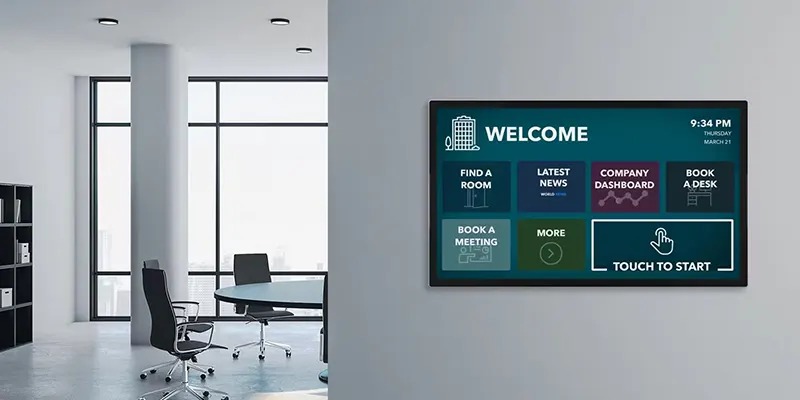
When it comes to user experience, digital signage is all about personalized and interactive engagement. For example, touch-enabled kiosks in restaurants or retail stores allow users to browse menus, customize orders, or explore product details at their own pace. This direct interaction makes digital signage feel more intuitive and user-friendly, creating a sense of connection between the customer and the brand. It’s ideal for environments where users are expected to actively engage with the content rather than just passively watch it.
Interactivity Comparison
Digital signage often integrates advanced interactive technologies such as touchscreens, sensors, and even motion or facial recognition, allowing businesses to collect valuable insights on user behavior while providing tailored experiences. Video walls, on the other hand, are generally passive displays, designed to impress with large-scale visuals rather than direct interaction. While some video walls can include limited interactivity through external devices or control panels, they are primarily meant to deliver impactful, visually engaging content to a larger audience without requiring individual engagement.
How to Control Costs and Manage Maintenance of Digital Signage and Video Walls?
When considering cost and maintenance, digital signage and video walls differ significantly. Digital signage is generally more affordable to purchase and install, especially for small to medium-sized businesses. A single screen setup can be deployed quickly, and ongoing costs are mostly related to software updates, occasional hardware checks, or replacing a single faulty screen. Its low maintenance requirements make it a practical choice for businesses that need flexible, cost-effective solutions.
Video walls, however, require a higher initial investment due to the need for multiple display panels, controllers, and sometimes specialized installation services. Maintenance can also be more complex, as each panel may need periodic calibration for brightness, color uniformity, and alignment. LED video walls tend to be more durable and longer-lasting, but they still demand professional upkeep to ensure seamless performance. Overall, while video walls deliver impressive visual impact, businesses should plan for both higher upfront costs and ongoing maintenance compared to digital signage.
Conclusion
In summary, digital signage and video walls serve distinct purposes and cater to different business needs. Digital signage excels in interactivity, flexibility, and cost-effectiveness, making it perfect for environments where users engage up close, such as retail stores, restaurants, or corporate offices. It allows businesses to update content quickly, personalize messaging, and easily expand their network of screens.Video walls, on the other hand, are designed for high-impact visual presentation. They shine in large-scale environments like control centers, event venues, or public advertising spaces where attracting attention from a distance is crucial. Video walls offer stunning resolution and immersive displays but require higher investment and technical maintenance.
FAQs
1.Can digital signage and video walls be used together?
Yes, businesses can use digital signage at entrances for interaction while deploying video walls in lobbies or large areas for immersive visuals.
2.Which is better for outdoor advertising?
LED video walls are ideal for outdoor settings due to high brightness, weather resistance, and sunlight visibility.
3.Does digital signage support remote content updates?
Yes, digital signage is usually managed by a CMS, allowing remote updates and scheduled content delivery.
4.Are bezel lines on video walls noticeable?
In close-range indoor viewing, bezel lines may be visible. For large-scale or long-distance viewing, the effect is minimal.
5.How do businesses choose between digital signage and video walls?
Consider the intended environment, user interaction needs, budget, and scale of visual impact to determine the best fit.