
What is the Purpose of a Digital Kiosk?
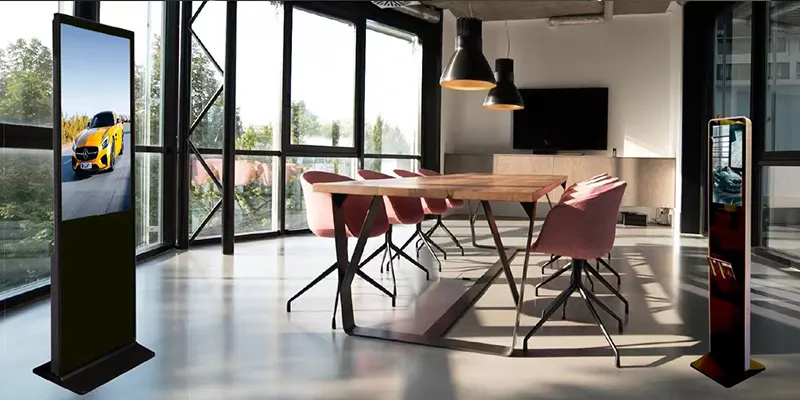
At first glance, a digital kiosk might seem like just a screen mounted on a stand, but behind that interface lies a sophisticated ecosystem of hardware and software working together seamlessly. Most kiosks include a touchscreen display, a processor, connectivity modules (like Wi-Fi or LTE), and sometimes additional features such as printers, scanners, or payment terminals.
The real magic happens in the software. This is where user interfaces are designed to be intuitive, guiding people step-by-step through tasks. Whether someone is placing a food order or finding directions in a mall, the system is built to minimize confusion and maximize speed. That’s why usability is such a big deal—if a kiosk isn’t easy to use, people simply won’t use it.
Modern digital kiosks are increasingly connected to cloud systems, allowing businesses to update content, monitor performance, and collect data remotely. This connectivity enables real-time updates, such as menu changes or promotional offers, ensuring that the kiosk always reflects the latest information. With the rise of AI and IoT integration, kiosks are also becoming smarter, capable of personalizing experiences and predicting user needs based on behavior patterns.

Core Purposes of Digital Kiosks
Enhancing Customer Experience
One of the primary purposes of a digital kiosk is to improve the overall customer experience. Imagine walking into a busy store with long lines—frustrating, right? Now imagine bypassing those lines by using a kiosk to quickly complete your task. That’s the kind of seamless experience businesses aim to deliver.
Statistics from 2025 show that 80% of millennials prefer stores with interactive kiosks, and digital displays can reduce perceived wait times by 35%. This isn’t just about speed—it’s about perception. When customers feel in control and informed, their satisfaction increases dramatically.
Kiosks also provide consistency. Unlike human interactions, which can vary depending on mood or training, kiosks deliver the same experience every time. This reliability builds trust and ensures that customers always know what to expect. It’s like having a perfectly trained assistant who never forgets a step.
Improving Operational Efficiency
From a business perspective, digital kiosks are all about efficiency. They reduce the need for manual labor, streamline processes, and allow staff to focus on more complex tasks that require human interaction. In industries facing labor shortages, this is a game-changer.
Research shows that 49.4% of users choose kiosks for speed, while 34.7% use them to avoid long lines. By automating repetitive tasks like order-taking or check-ins, businesses can handle higher volumes without increasing staffing costs. It’s like upgrading from a single-lane road to a multi-lane highway—everything just flows better.
Efficiency also translates into accuracy. Human errors in order-taking or data entry can lead to costly mistakes, but kiosks minimize these risks by standardizing inputs. Customers can review their selections before confirming, ensuring that orders are correct the first time.
Enabling Self-Service Convenience
At its core, the purpose of a digital kiosk is to empower users through self-service. People today value independence—they want to get things done quickly, without waiting or relying on others. Kiosks cater to this mindset perfectly.
In fact, studies indicate that 66% of consumers prefer self-service options over traditional staffed interactions. This preference is driven by convenience, privacy, and control. For example, customers can customize orders, explore options, and make decisions at their own pace without feeling rushed or judged.
Self-service digital kiosks also operate around the clock, making them ideal for environments where continuous service is essential. Whether it’s a late-night food order or an early-morning flight check-in, kiosks ensure that services are always accessible.
Key Benefits of Digital Kiosks
Faster Service and Reduced Wait Times
Speed is one of the biggest advantages of digital kiosks. Nobody likes waiting in line, and kiosks tackle this problem head-on by distributing demand across multiple service points. Instead of a single cashier handling a queue, several kiosks can serve customers simultaneously.
According to industry data, digital kiosk signage and kiosks can increase foot traffic by 24% and boost sales by up to 33%. Why? Because faster service encourages more people to engage with the business. When the process is quick and painless, customers are more likely to return.
Kiosks also reduce bottlenecks during peak hours. By handling routine transactions, they free up staff to manage more complex tasks, ensuring that the entire operation runs smoothly. It’s like having extra hands during the busiest times—without actually hiring more people.
Increased Sales and Upselling
Here’s something interesting: kiosks don’t just serve customers—they can actually increase sales. How? Through smart design and data-driven recommendations. When customers interact with a kiosk, they’re often presented with upsell options, promotions, or personalized suggestions.
Research shows that 76% of users have purchased more than they intended when using kiosks. That’s because kiosks can highlight add-ons or upgrades in a way that feels natural rather than pushy. It’s like having a salesperson who knows exactly what you might want, without being intrusive.
Additionally, kiosks can showcase products visually, making them more appealing. High-resolution displays, videos, and interactive features create an engaging experience that encourages exploration and discovery.
Data Collection and Insights
Another powerful purpose of digital kiosks is their ability to collect valuable data. Every interaction provides insights into customer behavior, preferences, and trends. Businesses can use this data to refine their strategies, improve services, and make informed decisions.
For example, kiosks can track which products are most popular, how long users spend on certain screens, and what actions lead to conversions. This information is like gold for marketers and managers looking to optimize performance.
In 2025, 64% of businesses cite increased customer engagement as the main benefit of digital signage and kiosks. With advanced analytics and AI integration, kiosks are becoming not just service tools, but strategic assets that drive growth and innovation.
Common Use Cases Across Industries
Retail and Shopping Centers
In retail environments, digital kiosks serve multiple purposes—from product browsing and inventory checks to self-checkout and wayfinding. Imagine walking into a large mall and instantly finding your desired store using a kiosk. It saves time and enhances the shopping experience.
Retailers also use digital kiosks to display promotions, collect customer feedback, and provide personalized recommendations. With 67% of shoppers making purchases based on digital screen content, kiosks play a significant role in influencing buying decisions.
Restaurants and QSRs
Fast-food chains and quick-service restaurants (QSRs) are among the biggest adopters of digital kiosks. These devices allow customers to browse menus, customize orders, and pay—all without interacting with staff.
The benefits are clear: faster service, improved order accuracy, and higher average ticket sizes. With 61% of consumers wanting more kiosks in restaurants, it’s evident that this technology is here to stay.
Healthcare and Hospitals
In healthcare settings, digital kiosks are used for patient check-ins, appointment scheduling, and information dissemination. They reduce administrative workload and streamline processes, allowing medical staff to focus on patient care.
Kiosks also improve patient experience by reducing wait times and providing clear instructions. In a high-stress environment like a hospital, this can make a significant difference.
Transportation and Travel
Airports, train stations, and bus terminals rely heavily on digital kiosks for ticketing, check-ins, and information services. These kiosks handle large volumes of passengers efficiently, ensuring smooth operations.
From printing boarding passes to providing real-time updates, digitial kiosk play a crucial role in keeping travelers informed and moving.
Conclusion
Digital kiosks exist to simplify, accelerate, and enhance interactions between businesses and customers. They are not just machines—they are strategic tools that improve efficiency, boost sales, and deliver better experiences. As technology continues to evolve, digital kiosks will become even more integrated into our daily lives, shaping the future of service and interaction in ways we’re only beginning to understand.
FAQs
1. What is the main purpose of a digital kiosk?
The main purpose is to provide self-service access to information or transactions, improving efficiency and customer experience.
2. Where are digital kiosks commonly used?
They are widely used in retail, restaurants, healthcare, transportation, and public spaces.
3. Do digital kiosks really reduce wait times?
Yes, they distribute workload and allow multiple users to be served simultaneously, reducing queues.
4. Are digital kiosks expensive to implement?
Costs vary, but many businesses see a strong return on investment through increased efficiency and sales.
5. What is the future of digital kiosks?
The future includes AI-driven personalization, contactless interfaces, and integration with smart systems.