
Why Digital Signage and Wayfinding Is a Game-Changer for Your Business?
Digital signage and wayfinding are no longer optional tools; they are essential parts of modern business communication. Digital signage refers to the use of digital screens such as LED displays, kiosks, and video walls to deliver content like advertisements, announcements, and real-time information. But when we combine this with wayfinding, something much more powerful happens.
Think of digital signage as the voice of your business. It speaks to customers visually, instantly, and dynamically. Unlike traditional printed signs, digital displays can be updated in seconds, allowing businesses to stay relevant and responsive. Whether it's promoting a flash sale or displaying live queue updates, digital signage ensures your message is always fresh and engaging.
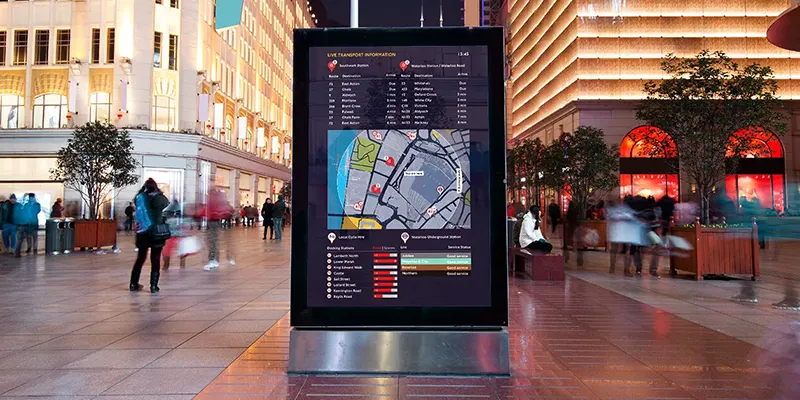
1. Why Digital Signage and Wayfinding Matters Today
Shift Toward Smart Environments
We're living in an era where everything is becoming smarter—phones, homes, cities, and yes, even signage. Businesses are rapidly adopting digital signage and wayfinding as part of their digital transformation strategies.
Why? Because customers expect more. They want instant information, intuitive navigation, and personalized experiences. Static signs simply can't keep up with these expectations. Digital systems, on the other hand, thrive in this environment by delivering dynamic, real-time content.
Picture a smart shopping mall where screens update promotions based on time of day, weather, or crowd density. That's not futuristic—that's happening now. Digital signage and wayfinding are at the heart of this transformation, turning physical spaces into interactive ecosystems.
Rising Customer Expectations
Let's face it—people don't have the patience to figure things out anymore. If they can't find what they're looking for quickly, they leave. This is where digital signage and wayfinding become critical.
Customers expect convenience. They want clear directions, relevant information, and engaging visuals—all delivered instantly. Businesses that fail to meet these expectations risk losing customers to competitors who do.
By implementing digital signage and wayfinding, you're not just improving navigation—you're creating an experience that keeps customers coming back.
2. Key Benefits of Digital Signage and Wayfinding
Enhanced Customer Experience
At its core, digital signage and wayfinding are all about improving the customer journey. From the moment someone enters your space, these systems guide, inform, and engage them.
Interactive displays allow users to explore options, search for locations, and access information at their own pace. This creates a sense of control and satisfaction, which translates into a better overall experience.
Think of it like having a helpful assistant available 24/7—except it's a digital screen. It never gets tired, never makes mistakes, and always delivers consistent information.
Improved Navigation Efficiency
Navigation can make or break a customer's experience. If people can't find what they need, frustration builds quickly. Digital signage and wayfinding eliminate this problem by providing clear, real-time directions.
These systems can adapt to changes instantly. If a store relocates or a hallway is closed, updates can be made immediately, ensuring users always have accurate information.
This level of efficiency not only benefits customers but also reduces the workload for staff, allowing them to focus on more important tasks.
3. How Digital Signage and Wayfinding Boost Sales?
Influencing Buying Decisions
Here's where things get really interesting. Digital signage and wayfinding don't just guide people—they influence their behavior.
Strategically placed digital displays can highlight promotions, showcase products, and create a sense of urgency. This encourages customers to make purchases they might not have considered otherwise.
It's like having a silent salesperson who works around the clock, subtly guiding customers toward buying decisions.
Increasing Dwell Time
The longer customers stay in your space, the more likely they are to spend money. Digital signage and wayfinding help increase dwell time by making the environment more engaging and easier to navigate.
When people feel comfortable and informed, they're more likely to explore. And exploration often leads to discovery—and ultimately, purchases.
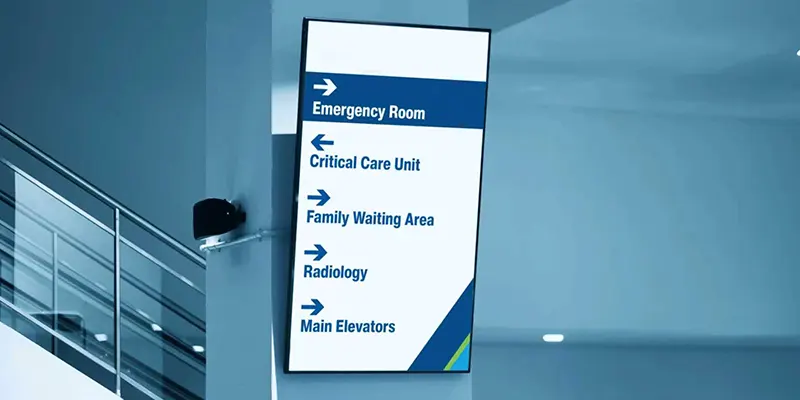
4. Digital Signage and Wayfinding Across Industries
Retail and Shopping Malls
Retail is one of the biggest beneficiaries of digital signage and wayfinding. In large shopping centers, these systems help customers find stores, discover promotions, and navigate easily.
This not only improves the shopping experience but also drives sales by increasing visibility and engagement.
Healthcare and Hospitals
Hospitals can be confusing places, especially for first-time visitors. Digital signage and wayfinding simplify navigation, helping patients and visitors find their way quickly and easily.
This reduces stress and improves overall satisfaction, which is crucial in healthcare environments.
5. Technology Behind Digital Signage and Wayfinding
AI and Data Analytics
Modern digital signage and wayfinding systems are powered by AI and data analytics. These technologies enable personalized content, predictive insights, and smarter decision-making.
Cloud-Based Systems
Cloud technology allows businesses to manage their signage networks from anywhere, making it easier to scale and maintain.
Conclusion
Digital signage and wayfinding are transforming the way businesses communicate, engage, and operate. They enhance customer experience, improve navigation, boost sales, and streamline operations—all while providing measurable value.
In a competitive landscape where customer expectations are constantly rising, adopting digital signage and wayfinding is not just an advantage—it's a necessity.
FAQs
1. What is digital signage and wayfinding?
It is a combination of digital display systems and navigation tools that provide real-time information and directions in physical spaces.
2. Why is digital signage and wayfinding important for businesses?
It improves customer experience, increases engagement, and enhances operational efficiency.
3. Can small businesses use digital signage and wayfinding?
Yes, scalable solutions make it accessible for businesses of all sizes.
4. How does digital signage and wayfinding increase sales?
By influencing customer behavior through targeted content and improving navigation.
5. What industries benefit most from digital signage and wayfinding?
Retail, healthcare, hospitality, and transportation see the greatest impact.