
What Is The Purpose Of a Touch Inquiry Screen Device?
Touch screen devices have become a central part of modern life, shaping how people interact with technology on a daily basis. From smartphones to self-service kiosks, these devices simplify complex actions into intuitive gestures like tapping, swiping, and pinching. The purpose of a touch screen device goes beyond convenience—it is about creating a more natural, efficient, and accessible connection between humans and digital systems. Instead of relying on external tools like keyboards or mice, users can directly interact with what they see, making technology feel more immediate and responsive. As digital environments continue to evolve, touchscreens remain one of the most effective ways to bridge the gap between human intent and machine response.
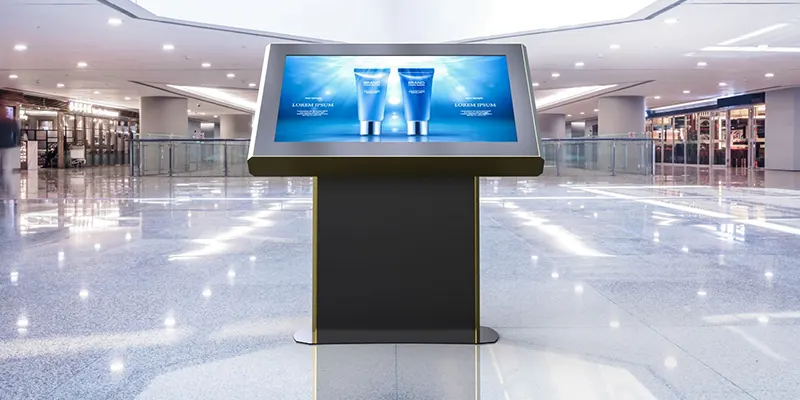
TheTouch Screen Technology
What Is a Touch Screen Device?
A touch screen device is a display that functions as both an output and an input system, allowing users to control digital content through direct physical interaction. This eliminates the need for intermediary devices and creates a more intuitive experience, especially for users who may not be familiar with traditional computing tools.
How Touch Screen Technology Works?
Touchscreens detect user input through technologies such as capacitive sensing or pressure-based systems, translating touch points into digital commands. Modern screens can recognize multiple touches simultaneously, enabling gestures that enhance interactivity and usability.
Evolution of Touch Screens Over Time
Touchscreen technology has evolved from basic, single-touch systems into advanced, multi-touch interfaces that support complex gestures and high responsiveness. This evolution reflects the growing demand for faster, more intuitive human-computer interaction.
Types of Touch Screen Technologies
Different types of touchscreens, including capacitive, resistive, and infrared systems, are designed to meet specific needs across various industries. Each type offers unique advantages, ensuring flexibility and adaptability in different environments.
Core Purposes of Touch Screen Devices
Enabling Direct Interaction with Digital Content
The primary purpose of a touch screen is to allow users to interact directly with digital elements, removing the need for indirect input methods. This direct engagement makes interactions faster, more natural, and easier to understand.
Simplifying User Experience
Touch screens simplify the user experience by reducing complexity and making interfaces more intuitive. Users can easily navigate systems without prior training, which is especially valuable in public or self-service environments.
Improving Speed and Efficiency
By minimizing the steps required to perform tasks, touch screens significantly improve speed and productivity. Users can complete actions quickly with simple gestures, making workflows more efficient in both personal and professional settings.
Reducing Dependence on External Hardware
Touchscreens integrate input and output into a single device, reducing the need for additional hardware like keyboards or mice. This leads to cleaner designs, lower maintenance, and greater portability.

Applications of Touch Screen Devices in Modern Life
Use in Consumer Electronics
Touchscreens are widely used in consumer electronics such as smartphones and tablets, providing intuitive control for everyday tasks like browsing, gaming, and communication. They enhance user engagement by making interactions more dynamic and responsive.
Role in Retail and Self-Service Kiosks
In retail environments, touchscreens power self-service kiosks that allow customers to place orders, make payments, and access information independently. This improves efficiency while offering a more personalized experience.
Impact on Education and Learning
Touchscreens have transformed education by enabling interactive learning experiences that encourage participation and collaboration. Students can engage with digital content in a hands-on way, improving understanding and retention.
Applications in Healthcare and Industry
In healthcare and industrial settings, touchscreens are used for monitoring systems, accessing data, and controlling equipment. Their reliability and adaptability make them essential tools in critical environments.
Advantages and Limitations
Key Benefits of Touch Screen Devices
Touchscreens offer benefits such as ease of use, faster interaction, versatility, and space-saving design. These advantages make them suitable for a wide range of applications across industries.
Common Challenges and Limitations
Despite their strengths, touchscreens can face issues like reduced precision, screen glare, and dependency on visual input. These limitations highlight the need for complementary input methods in certain scenarios.
Conclusion
The purpose of a touch screen device is to make technology more accessible, efficient, and user-friendly by enabling direct interaction with digital content. By simplifying interfaces, improving speed, and reducing reliance on external hardware, touchscreens have transformed how people engage with devices across industries. As technology continues to advance, touchscreens will remain a fundamental part of human-computer interaction, evolving alongside new innovations to create even more intuitive and seamless experiences.
FAQs
1. What is the main purpose of a touch screen device?
The main purpose is to allow users to interact directly with digital content through touch, making the experience more intuitive and efficient.
2. Why are touchscreens widely used today?
They are widely used because they simplify interaction, reduce learning curves, and provide faster and more engaging user experiences.
3. What industries use touch screen devices the most?
Touchscreens are commonly used in consumer electronics, retail, education, healthcare, and industrial sectors.
4. Are touchscreens replacing traditional input devices?
They are complementing rather than completely replacing traditional devices, as each method has its own advantages.
5. What is the future of touch screen technology?
The future includes innovations like flexible screens, touchless interaction, and integration with advanced technologies such as AI and augmented reality.