
Where Are Kiosks Commonly Found?
Kiosks have quietly become an essential part of everyday life, seamlessly blending into environments where speed, convenience, and efficiency matter most. From retail stores and restaurants to transportation hubs and healthcare facilities, these self-service systems are transforming how people interact with services. What once required waiting in line and relying on staff can now be done in seconds with just a few taps on a screen. This shift reflects a broader change in consumer behavior—people increasingly prefer control, autonomy, and faster service.
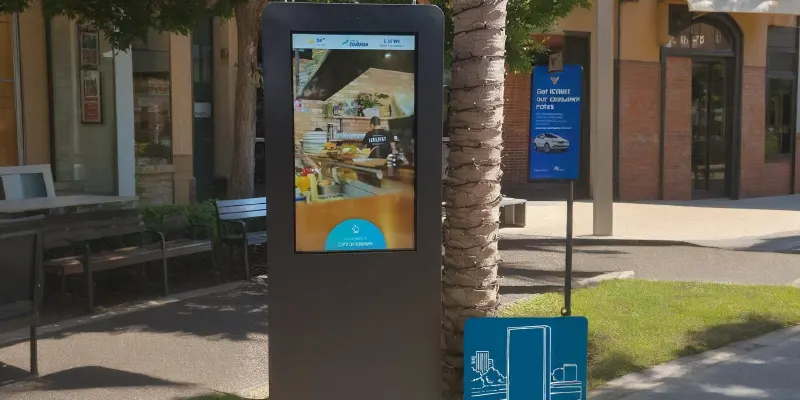
Retail Stores and Shopping Centers
Self-Checkout Kiosks
Self-checkout kiosks have become a standard feature in supermarkets and large retail chains, offering customers a faster and more flexible way to complete their purchases. Instead of waiting in line for a cashier, shoppers can scan their own items, bag them, and pay within minutes. This not only improves convenience but also reduces congestion during peak shopping hours. For many customers, the ability to control the pace of checkout creates a more relaxed and efficient experience.
From a business perspective, these kiosks help retailers optimize labor costs while kiosk maintaining high service levels. Staff can be reassigned to assist customers on the floor rather than being tied to checkout counters. This shift allows kiosk stores to operate more efficiently without sacrificing customer satisfaction. Over time, self-checkout systems have also become more user-friendly, incorporating intuitive interfaces and multiple payment options.
Product information kiosks act as digital assistants within retail environments, helping customers quickly find what they need. These kiosks allow users to search for items, check pricing, and locate products within the store. This is particularly useful in large shopping centers where navigating aisles can be overwhelming. Instead of searching for staff, customers can access accurate information instantly.
These kiosks also enhance the shopping experience by providing detailed product descriptions, reviews, and recommendations. Shoppers can make kiosk more informed decisions without feeling rushed or pressured. For retailers, this means fewer interruptions for employees and a smoother overall operation, as customers are empowered to help themselves.
Endless Aisle Kiosks
Endless aisle kiosks bridge the gap between physical kiosk and online retail kiosk by giving customers access to a wider inventory. When a product is out of stock in-store, shoppers can use these kiosks to order it online for home delivery. This kiosk prevents lost sales and ensures that customers leave satisfied, even if their desired item isn’t immediately available.
This concept is especially valuable for stores with limited space, as it allows them to offer a broader selection without increasing physical inventory. Customers benefit from greater choice, while retailers gain a competitive edge by combining the convenience of e-commerce with the immediacy of in-store shopping.
Loyalty and Membership Kiosks
Many retailers use kiosks to manage loyalty programs and customer memberships. These kiosks allow users to sign up for rewards programs, check points, and redeem offers. This creates a more engaging shopping experience, encouraging repeat visits and brand loyalty.
By integrating loyalty features into kiosks, businesses can also collect valuable customer data and tailor promotions accordingly. This personalized approach kiosk not only enhances customer satisfaction but also drives long-term growth for the brand.

Restaurants and Fast Food Chains
Self-Ordering Kiosks
Self-ordering kiosks have revolutionized the way customers interact with restaurant menus. Instead of placing orders verbally, customers can browse options on a touchscreen, customize their meals, and submit orders directly to the kitchen. This reduces communication errors and ensures greater accuracy in every order.
These kiosks also allow customers to explore menu items at their own pace, often leading to more thoughtful and higher-value purchases. With visual prompts and upselling suggestions, customers are more likely to add extras or try new items. This not only enhances the dining experience but also increases revenue for restaurants.
Contactless Payment Kiosks
Payment kiosks have become increasingly popular, especially with the rise of contactless transactions. Customers can quickly pay using cards, mobile wallets, or QR codes without needing to interact with staff. This speeds up the entire ordering process and reduces waiting times.
For restaurants, contactless payment kiosks improve efficiency and reduce the risk of errors in cash handling. They also align with modern consumer preferences for fast, secure, and hygienic payment methods. As a result, both customers and businesses benefit from a smoother transaction process.
Order Pickup and Queue Management Kiosks
Many restaurants now use kiosks to manage order pickups and customer flow. After placing an order, customers can track its progress on a digital display or receive notifications when it’s ready. This eliminates confusion and ensures a more organized pickup process.
Queue management kiosks also help reduce overcrowding by guiding customers through the ordering and pickup stages. This creates a more pleasant dining environment, especially during busy hours. By improving organization, restaurants can serve more customers efficiently without compromising quality.
Menu Browsing and Promotion Kiosks
Some kiosks are designed specifically for browsing menus and showcasing promotions. These systems highlight special deals, new products, and seasonal offers, encouraging customers to explore more options. The interactive nature of kiosks makes it easier to capture attention and drive sales.
Restaurants can update these kiosks in real time, ensuring that promotions are always relevant and up to date. This flexibility allows businesses to respond quickly to market trends and customer preferences, making kiosks a powerful marketing tool.
Transportation Hubs
Airport Check-In Kiosks
Airport kiosks are among the most widely recognized examples of self-service technology. These systems allow passengers to check in for flights, print boarding passes, and select seats without waiting in long lines. This significantly reduces congestion at check-in counters and speeds up the overall travel process.
Travelers appreciate the convenience and control these kiosks provide, especially during busy travel seasons. By handling routine tasks, kiosks free up airline staff to focus on more complex customer needs, improving service quality across the board.
Ticketing Kiosks in Train and Bus Stations
In train and bus stations, ticketing kiosks offer a quick and efficient way to purchase tickets and check schedules. Passengers can avoid long queues and complete transactions in just a few steps. This is particularly important in high-traffic areas where time is limited.
These kiosks often support multiple languages and payment methods, making them accessible to a wide range of users. By simplifying the ticketing process, they enhance the overall travel experience and reduce stress for passengers.
Parking Payment Kiosks
Parking kiosks are commonly found in garages, lots, and urban areas, allowing users to pay for parking quickly and easily. These systems typically accept various payment methods, including cash, cards, and mobile payments. This flexibility makes them convenient for all types of users.
By automating the payment process, parking kiosks reduce the need for on-site staff and improve traffic flow. Drivers can enter and exit parking facilities more efficiently, which is especially beneficial in busy city environments.
Information and Wayfinding Kiosks
Transportation hubs can be complex and difficult to navigate, especially for first-time visitors. Information kiosks provide maps, directions, and real-time updates, helping travelers find their way بسهولة. This reduces confusion and ensures smoother movement within the facility.
These kiosks also display important announcements, such as delays or platform changes, keeping passengers informed at all times. By improving communication, they play a crucial role in enhancing the overall efficiency of transportation systems.
Healthcare Facilities and Public Services
Patient Check-In Kiosks
Patient check-in kiosks streamline the registration process in hospitals and clinics. Instead of filling out paperwork at a front desk, patients can enter their information digitally, reducing waiting times and administrative workload. This makes the entire process faster and more efficient.
These kiosks also improve data accuracy by minimizing manual entry errors. For healthcare providers, this means better record-keeping and smoother operations. For patients, it translates into a more convenient and stress-free experience.
Wayfinding and Information Kiosks
Navigating large healthcare facilities can be challenging, especially for new visitors. Wayfinding kiosks provide interactive maps and directions, helping patients locate departments, clinics, and services بسهولة. This reduces anxiety and improves overall satisfaction.
In addition to navigation, these kiosks offer general information about services, visiting hours, and procedures. By providing clear and accessible information, they enhance communication between healthcare providers and patients.
Government Service Kiosks
Government kiosks are designed to make public services more accessible and efficient. Citizens can use these systems to pay bills, renew licenses, or submit applications without waiting in long lines. This reduces congestion in government offices and improves service delivery.
These kiosks are often available in multiple locations, including malls and public buildings, making them convenient for users. By extending service availability beyond traditional office hours, they provide greater flexibility for busy individuals.
Public Information and Community Kiosks
Community kiosks serve as information hubs in public spaces such as libraries, city halls, and community centers. They provide access to local news, events, and services, helping residents stay informed and connected. This is especially valuable in areas with limited access to digital resources.
These kiosks also promote community engagement by highlighting local initiatives and opportunities. By making information easily accessible, they contribute to stronger, more informed communities.
Conclusion
Kiosks have quietly become an essential part of everyday life, seamlessly blending into environments where speed, convenience, and efficiency matter most. From retail stores and restaurants to transportation hubs and healthcare facilities, these self-service systems are transforming how people interact with services. What once required waiting in line and relying on staff can now be done in seconds with just a few taps on a screen. This shift reflects a broader change in consumer behavior—people increasingly prefer control, autonomy, and faster service.
What makes kiosks truly powerful is their versatility. They are not limited to a single function or industry; instead, they adapt to different needs, whether it’s processing payments, providing kiosk directions, or delivering personalized recommendations. Businesses benefit from reduced operational costs and improved efficiency, while customers enjoy smoother and more engaging experiences. It’s a kiosk win-win situation that explains why kiosks are continuing to expand across industries.
Looking ahead, kiosks are expected to become even more intelligent kiosk and integrated. With advancements in AI, cloud computing, and contactless technology, future kiosks will offer kiosk more personalized and intuitive interactions. As cities become smarter and businesses continue to digitize their operations, kiosks will play an even bigger role in shaping how we navigate daily life. They’re no longer kiosk just machines—they’re becoming an integral part of the modern kiosk service ecosystem.
FAQs
1. What is the main purpose of a kiosk?
The main purpose of a kiosk is to provide a self-service solution that allows users to complete tasks quickly and independently. These tasks can include making payments, placing orders, checking in, or accessing information. By reducing the need for human assistance, kiosks help improve efficiency and convenience in various environments.
2. Where are kiosks most commonly used?
Kiosks are most commonly found in retail stores, restaurants, transportation hubs, healthcare facilities, and public service areas. These locations typically involve high customer traffic and repetitive tasks, making them ideal for self-service technology that speeds up processes and reduces waiting times.
3. Do kiosks improve customer experience?
Yes, kiosks significantly improve customer experience by offering faster service, reduced queues, and greater control over interactions. Customers can complete tasks at their own pace without feeling rushed, which often leads to higher satisfaction and a more positive overall experience.
4. Are kiosks replacing human workers?
Kiosks are not entirely replacing human workers but rather complementing their roles. They handle routine and repetitive tasks, allowing staff to focus on more complex responsibilities and customer service. This creates a more balanced and efficient work environment.
5. What is the future of kiosks?
The future of kiosks lies in advanced technologies such as artificial intelligence, facial recognition, and personalized user interfaces. As these innovations continue to develop, kiosks will become smarter and more interactive, offering even more seamless and customized experiences across different industries.